

Drug addiction and drug abuse are often used as interchangeable terms, but the fact is that they are two very different things. Drug abuse occurs when a person abuses illegal substances or prescription drugs; the person may enjoy the effect provided by the use of the substance and use it regularly, but unless the drug abuse is accompanied by certain symptoms or issues and a physical dependence on the drug, it is not drug addiction.
Drug addiction, on the other hand, is a medical disease, one in which the person exhibits compulsive drug-seeking behaviors, physical and/or psychological withdrawal symptoms when without the drug, and the continuation of use of their drug of choice in spite of negative consequences.
Both issues are exceedingly dangerous; neither should be ignored. Drug abuse turns into drug addiction, and both problems are deadly in their own right. If your loved one is struggling with drug abuse or addiction – no matter what their drug of choice – contact us at Axis today to learn more about how we can provide the healing options that will change their life for the better.
Related Content

Drug Paraphernalia

Street Names

Statistics

Women Addicts

Rehab Therapists
How Addiction Starts
Drug addiction starts with drug use. Experimental use, recreational use, social use, occasional use, medical use – any use of an addictive substance for any purpose can and often does lead to a dependence upon that drug. While any and all drug use has the potential for harm, the most dangerous type of drug use in terms of the likelihood that it will lead to addiction, is the type that stems from a desire to numb pain or negative feelings or to cope with problems in one’s life.
Stress, anger, frustration, self-esteem issues, depression, anxiety, trauma – all of these and more can be overwhelming to a person, driving them to seek relief of any kind from any source. Without positive coping skills to help handle issues, many turn to drugs and alcohol and, with repeated use, they spiral out of control into psychological and physical dependence.
Over time, the patient often comes to believe that the drug betters them as a person and feels incapable of contemplating life without it. In short order, however, use of the drug will begin to cause problems for the user and to remove the good things in their life. All of the perceived “good” effects of using the drug will wear away, but the person will still continue to use, often becoming obsessed with the drug and doing anything they have to do to obtain the substance of choice.
As a person’s drug abuse turns into addiction, they will develop an increased tolerance to the drug, requiring larger doses of it in order to achieve the desired “high.” If addiction is left untreated, the end result is always devastation and loss on every level; the further along in the disease of addiction a person gets, the harder it will be for them to recover. Thus, treating drug addiction as soon as possible is always the best option.
The Most Common Drugs of Addiction
While there are all kinds of drugs in the world, including new “synthetic” or “designer” drugs, there are some drugs that people become addicted to more often than others. Surprisingly to some, alcohol and nicotine are defined as drugs and, as such, are some of the world’s most commonly abused substances.
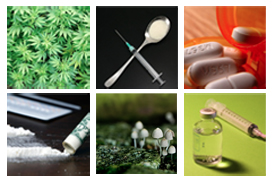
Other commonly abused drugs that often lead to addiction include:
The Most Addictive Drugs
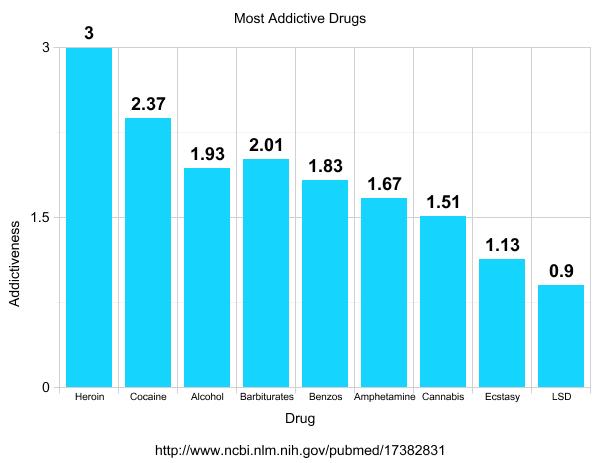
All drug use is bad and harmful to the user, but there are some drugs that are particularly potent because of how quickly users can become addicted to them. A few drugs that are considered to be highly addictive and should be avoided at all costs are:
Additional information:
Spotting Addiction
So, how can you know if someone you love is abusing drugs and has developed or will soon develop an addiction? Everyone is different and the signs of use of certain drugs will vary based on the effects of that substance, but some signs that can indicate that your loved one is in need of treatment include:
- Changes to the eyes: bloodshot, swollen, puffy and/or dilated pupils
- Changes in appetite or weight
- A lack of balance and coordination
- Slurred or altered speech
- Changes in vision
- Outbursts of anger
- Mood swings
- Paranoia
- Anxiety
- Regular drowsiness
- Mental confusion
- Acting “not all there”
- Hyperactivity, often followed by a “crash”
- Changes in daily routines
- Social withdrawal
- Suddenly becoming secretive or lying
- Changes in whom the person associates with
- Increased absences or inability to function at work
- A decline in work or school performance
- Family problems
- Financial problems
- Poor hygiene
Keep in mind that the signs of drug addiction can vary from person to person – some people are just better at hiding their addictions than others – and from one drug to the next. Eventually, however, there are undeniable consequences that even the addict will be unable to ignore.
Don’t wait until those consequences occur; if you suspect there is a drug problem present in your loved one, talk to them and/or seek professional help if you deem that it is needed. Never let the addict downplay the seriousness of their addiction or convince you that they can change without help. Drug addiction is a disease and recovering from it is rarely as simple as just putting down the drug and being done with it for good, no matter what promises the addict in your life may make to you or how earnestly they may make those promises.
The Need for Addiction Treatment
 Addiction affects not just the addict but also everyone that person comes into contact with. The addict will likely suffer physical consequences, social consequences, emotional consequences, financial consequences, and perhaps even legal consequences as a result of their drug use. As the drug addict’s personal life falls apart, their work and health will likely suffer as well. Drug addicts are more likely to have domestic violence problems, to lose their jobs, and to be arrested than those who are not addicts, proving that addiction, if left untreated, can negatively impact every facet of a person’s life.
Don’t allow your loved one’s life to be destroyed beyond repair by a drug addiction. Contact us at Axis now and get the information you need to help them get into treatment.
Have Questions?
Call 8667373570
Speak with our admissions counselor

Further Reading
- Abuse and Dependence Among Teenagers
- Aftercare Services
- An Overview of the Effects of Drug Dependence
- Causes
- Codependency
- Drug Addiction Disease
- Drug Paraphernalia
- How to Get Help
- LGBT and Drug Addiction
- Locating a Therapist
- Pregnancy and Addiction
- Prescription Drugs
- Spotting the Signs
- Statistics
- Stimulant Abuse and Celebrities
- Street Names
- The Start of Addiction
- What Is Harm Reduction?
- Women and Drug Dependence
