

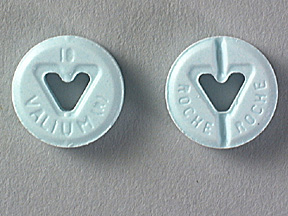
Valium, or diazepam, is a prescription medication that is primarily used in the treatment of anxiety disorders or to address issues of seizures or tremors due to neurological disorders. Valium has a sedative effect in users that many find addictive. This effect may be chased through increased use of the drug or abuse of the pills that can occur in any of the following ways:
- Using higher doses than recommended
- Using the pills more frequently than prescribed
- Combining use of the pills with other substances like alcohol
- Crushing the pills and dissolving them in water before injecting them
- Using the pills in any way without a prescription
Classified as a benzodiazepine, Valium is a sedative and though it can be beneficial in certain cases for patients who use the medication exactly as described under the medical supervision and monitoring of a doctor, it is very often abused. The slowing of the CNS system caused by the drug can provide relaxation relatively quickly, a high that many find addictive, and withdrawal symptoms when without the drug. Additionally, regular use can result in the buildup of a physical tolerance for the medication, which means that more and more of the drug is necessary to create the hoped-for effect.
When both physical dependence and psychological cravings exist and the patient is unable to limit or stop using Valium, an addiction exists that requires immediate intervention. Contact us at Axis today to learn more about our addiction treatment program and how we can help.
Jump to Section:
There are a number of slang terms that may be used to refer to Valium pills or their use; these may vary by region. Some common street names for Valium include:
- Vs
- Drunk pills
- Blues
- Forget pills
- Valley girls
- Ludes
Physical Withdrawal Symptoms
A study published in the Canadian Medical Association Journal (CMAJ) found that withdrawal symptoms that occur during detox or whenever an addicted person is without Valium occur in stages. Additionally, they found that the intensity of withdrawal symptoms is strongest during the first two weeks, diminishes slightly, and then increases again before finally dissipating. Overall, most participants experienced some form of withdrawal symptoms for about six weeks after cessation of use. The first group of withdrawal symptoms happens throughout the detox process and includes symptoms like:
- Tremors
- Involuntary twitching
- Anorexia
- Insomnia
The next group of symptoms occurs during the first 10 days of detox and was characterized by “toxic psychosis,” or delirium and related issues. The last group of symptoms usually peaks during the third and fourth weeks of detox and was defined by extremely heightened or decreased sensory perceptions.
Psychological Cravings and Dependence

Trusted Treatment

Physical withdrawal symptoms in your loved one can indicate a physical tolerance. When paired with the following psychological issues often experienced by those who chronically abuse illicit substances, they can signify the existence of a Valium addiction:
- Isolating oneself from friends and family
- No longer enjoying hobbies or old interests
- Sleeping more or often claiming to be tired
- Experiencing mood swings or “crashes” based on their use of the drug
- Being unable to maintain a job or keep up with responsibilities at home
- Lying about one’s use of Valium
- Combining use of Valium with use of other substances, including marijuana, alcohol and other prescription substances
- Often claiming to have lost their prescription in order to get an emergency refill or justify going to the emergency room for more pills
- Going to different doctors and presenting with the same set of symptoms in order to get and maintain multiple prescriptions for Valium and/or other similar pills
Treatment Saves Lives
In addition to the fact that Valium abuse and addiction can very often lead to Valium overdose and death, there are numerous daily complications and problems faced by those who postpone treatment when Valium dependence is an issue. These can include:
- Chronic medical issues. As a CNS depressant, Valium can cause a number of different health problems in the user. Respiratory issues, both acute and chronic, are not uncommon. Additionally, issues related to malnutrition or nutrient deficiency can occur.
- Problems at home. Relationship issues with a significant other or spouse are not uncommon when drug abuse or addiction of any kind is an issue. Additionally, it can be more difficult to connect with children, roommates, guests and others in the home setting. Often, divorce and loss of custody can result when treatment is not sought.
- Difficulties in social interactions. When under the influence, it’s not easy to connect with others. As a result, many active addicts lose touch with close friends and family and find themselves isolated in their addiction.
- Problems at work. It’s not easy to manage priorities and responsibilities at work when one’s main focus is the maintenance and upkeep of Valium addiction. Too often, addicts lose their jobs, get demoted or asked to take a leave of absence, and/or find themselves unable to find new employment.
- Financial struggles. As a result of the high cost of medication and the financial crunch that comes with job loss or cut income due to active addiction, it’s not uncommon for addicts to deal with financial issues like bankruptcy and foreclosure.
- Legal problems. Buying Valium illegally and obtaining the drug via fraudulent practices are both illegal. Additionally, criminal acts committed in order to obtain more pills or while under the influence of the drug (e.g., driving while intoxicated) can result in arrest, fines and/or incarceration.
A New World in Recovery Starts at Axis
The most effective way to reverse the effects of these issues and avoid dealing with them in the future is to undergo immediate and intensive treatment for Vicodin addiction. You can learn more about the specifics of our evidence-based addiction treatment program here at Axis as well as how we can provide your loved one with treatment that is tailor-made for their needs in recovery when you contact us today. Call the phone number listed above and learn more about Axis now.

Have Questions?
Have Questions?
Call 8667373570
Speak with our admissions counselor