OxyContin Addiction

What Is OxyContin?

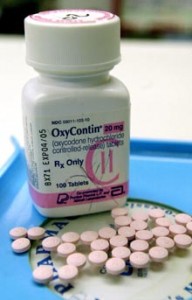
As a variant of the popular painkiller Percocet, OxyContin is a combination of acetaminophen and thebaine chemically known as oxycodone. While OxyContin’s time-released version of the drug was aimed at more convenient pain management with fewer necessary doses, the opiate’s powerful narcotic effects when abused have led it to become a street drug in high demand. As tolerance builds and use perpetuates, OxyContin can create an intense addiction with long-term physical and psychological consequences – and one that places prescription drug addicts at a high risk for fatal outcomes.

History of OxyContin

First created in the early 20th century, oxycodone – the active ingredient in OxyContin – rose to popularity as an alternative to heroin and morphine for providing pain relief. According to the University of Maryland’s Center for Substance Abuse Research (CESAR), oxycodone was designated as harmful under The United Nation’s Dangerous Drugs Ordinance of 1960, a decision fueled by growing health concerns over OxyContin abuse. Illicit oxycodone use continued to rise across the country amid the drug experimentation and prescription drug abuse of the 1960s. Approved in the United States by the FDA in the mid-1990s, OxyContin was introduced to the market by Purdue Pharma. Due to widespread cases of OxyContin abuse and overdose, the narcotic remains classified as a Schedule II drug in the United States, limiting its production, use and distribution.

Street Slang for the Drug

According to the U.S. National Drug Intelligence Center, some of the most popular street names for OxyContin are “blue,” “kickers” and “Oxycotton.” Frequently called “hillbilly heroin,” for its strong opiate effects and relatively affordable price tag, OxyContin also can be referred to as “killers,” “oxy,” “OCs” or the simple nickname “ox.” Sometimes, particularly during illegal sale, OxyContin can also be called “40” or “80” – references to the milligram content of drug tablets.

What Makes OxyContin Addictive?


According to the United States Drug Enforcement Association (DEA), OxyContin is derived from thebaine – a potent opioid agonist that initiates changes in the brain’s natural chemical balance. Acting on the brain’s levels of dopamine – a neurotransmitter associated with calm, pleasure and relaxation, OxyContin triggers high levels of the brain chemical’s release. When crushed, chewed or snorted, OxyContin floods the brain with even more dopamine, leading to a euphoric high with even greater intensity.

Over time, two phenomena tend to occur with continual OxyContin abuse – tolerance and cravings. As users build a natural tolerance to OxyContin, increasingly high dosages of the drug must be ingested to achieve the same level of high that previous doses provided. Additionally, the brain senses the excess dopamine levels created by OxyContin, and alters brain chemistry in turn. In this sense, OxyContin addicted individuals live in a state of perpetual natural chemical imbalance – kept in check by frequent OxyContin use. As soon as the drug is removed from the system, however, these sharp chemical imbalances can be suddenly felt, leading to rapid mood swings, anxiety, depression and other psychological and physical symptoms known collectively as “withdrawal.” As a result, the brain receives the signal that it’s time to use OxyContin again in an attempt to strike neurochemical balance, resulting in inexplicable urges to use the drug known as “cravings.”


Additionally, repeated OxyContin use can create psychological addiction that only makes reaching sobriety more difficult. As pleasure centers become activated in the brain by OxyContin use, the action of drug use becomes positively reinforced. Additionally, as OxyContin addicts use the drug to escape emotional problems or psychological pain, trauma and mental health conditions remain untreated – and often worsen. When OxyContin addicted individuals return to sobriety, they often feel the jolt of both re-experiencing their emotional pain – and discovering mental health issues may have become worse with time, neglect and drug use, creating overwhelming psychological problems.

With a structure that mimics codeine – and a strength that rivals morphine – OxyContin also acts as a potent pain reliever. As an opiate, OxyContin binds to pain receptors strategically scattered throughout the brain and body. As a result, OxyContin provides enduring and pervasive pain alleviation that rises with higher dosages, offering up to quadruple the analgesic relief of over-the-counter pain relievers. When OxyContin hits the blood stream, users feel pain subside. Quite naturally, when OxyContin use abruptly ceases without treatment, pain returns – though in many cases, the drug’s “rebound effect” can cause pain to be perceived as worse than it was before taking the drug, causing addicts to return to use.


OxyContin AddicitonSigns and Symptoms of Addiction to OxyContin

Physical signs of OxyContin addiction may include pulmonary complications such as slowed breathing and chronic respiratory infection (such as bronchitis). Many times, OxyContin addicts will display classic “pinpoint pupils” as their pupils constrict in response to the opiate. According to the Partnership for a Drug Free America (PDFA) ,signs of OxyContin can include headaches, flushed or rosy skin, fatigue and weakness, or sedation. Chronic itching is often a side effect of withdrawal from opiates such as OxyContin, accompanied by dry, cracking or broken skin from dehydration and repetitive scratching.

Emotionally, OxyContin addicts may experience intense emotional difficulties. Mood swings, depression and anxiety attacks are common, particularly when the OxyContin high subsides. Cognitive abilities may be impaired, attention spans lowered and response time slowed. Memory can also become faulty during periods of OxyContin intoxication, as the drug interferes with the brain’s ability to form new memories, retain information and recall memories on demand. In severe cases, amnesia can even onset due to addiction. Family and friends may notice dependent loved ones experiencing a loss of appetite, chronic insomnia and frequent anxiety attacks.

Other indications of addiction can involve environmental cues, such as drug paraphernalia. According to the San Diego Field Division of the Drug Enforcement Administration (DEA), OxyContin paraphernalia can include sheets of tinfoil with burn marks on them, lighters, and hollowed out pens or straws — all used for smoking the opiate. Hypodermic needles and metal spoons may indicate OxyContin use, used for “cooking” (liquefying) and injecting the drug. Other common drug paraphernalia associated with OxyContin can include tweezers, razorblades, empty prescription drug bottles and the pills themselves.

Long-Term Health Concerns

As addiction develops and endures, it places the body at risk for serious health conditions over time. OxyContin’s pharmaceutical makeup – including both the opioid agonist thebaine and complementary acetaminophen content – can take a toll on the body as addiction persists. From impacts on automatic functions regulated by the central nervous system to serious organ damage, OxyContin can cause the following health problems for habitual users.

  • Increased sensitivity to pain
  • Slowed respiration and respiratory arrest
  • Lowered immunity and proneness to infections
  • Chronic insomnia
  • Sore muscles
  • Deep bone pain
  • Lethargy and fatigue
  • Chronic tension headaches and migraines
  • Constipation
  • Loss of appetite
  • Anorexia nervosa
  • Muscle spasms
  • Cardiovascular disease risk, including fatal blood clots and stroke


  • Seizures
  • Stomach hemorrhaging
  • Slowed digestive motility
  • Eczema
  • Proneness to bleeding and bruising
  • Cavities and gum disease
  • Jaundice
  • Slowed, rapid or irregular heartbeat
  • Low or high blood pressure
  • Enlarged prostate glands
  • Liver damage and liver failure
  • HIV and Hepatitis infection risk due to injection


drug addiction treatmentIn addition to the long-term health issues that the drug can create, the opiate carries an exceedingly high risk of overdose. Often caused by crushing the pill to bypass the drug’s otherwise metered release, OxyContin overdoses can be quickly fatal. Signs of overdose can include loss of motor skills, cardiac arrest, slowed or halted breathing, and profuse sweating. According to the Iowa Department of Public Safety’s Division of Narcotics Enforcement, other signs associated with overdose are clammy skin, glazed eyes or a “distant” look, strong headaches and slurring of the speech. Nausea and vomiting can also indicate an overdose, causing a risk of aspiration. OxyContin overdose can result in loss of consciousness, brain damage, coma and death.

Withdrawal Symptoms

According to the National Institute on Drug Abuse (NIDA), physical symptoms of OxyContin withdrawal can include deep muscular or skeletal pain, chronic itching, agitation, sleeplessness, chills and goosebumps. OxyContin can also serve to impair the brain’s automatic functions, causing heartrate abnormalities and slowing respiration during withdrawal. Sleep disturbances – including vivid dreams, nightmares, and insomnia – can also be physical signs of withdrawal. Digestive problems are also considered standard physical symptoms during withdrawal, including diarrhea (often following constipation as the result of dehydrating drug use), nausea and vomiting. In some cases, withdrawal can even cause the onset of delirium tremens – a withdrawal response involving tremors commonly known as “the shakes.”

The withdrawal process from OxyContin can also be taxing psychologically. Mood swings, irritability, dysphoria and severe clinical depression are common side effects of withdrawal. In some cases, withdrawal symptoms such as memory lapses, disorientation, slowed cognition and agitation can occur. Other potential psychological side effects of OxyContin withdrawal include delusional thinking, sensory hallucinations and even bouts of delirium.

OxyContin Drug Addiction and Abuse Statistics

Despite the attention OxyContin addiction has received in recent years, abuse of the opiate remains a problem throughout the country. Here are a few facts about the rise of OxyContin abuse in recent years.

Useful Statistics

  • According to the National Survey on Drug Use and Health (NSDUH), OxyContin claimed more first-time users in 2004 than both cocaine and marijuana.
  • According to a study published in the American Journal of Psychiatry, more than half of OxyContin abusers reported symptoms of depression in the last 30 days.
  • The number of 18 to 25 year olds who had used OxyContin at least once in their lifetime rose over 1.5 percent in the two years between 2002 and 2004 alone, accounting for more than four percent of the demographic, according to the 2004 NSDUH report.
  • Illicit OxyContin use among high school students grew by 30 percent, just between the five years that spanned 2002 to 2007, according to the Community Anti-Drug Coalitions of America (CADCA).
  • Just under two percent of 8th graders, and over three percent of high school sophomores nationwide had used OxyContin recreationally in 2005, according to the 2006 Monitoring the Future Study. Disturbingly, 5.5 percent of high school seniors had used OxyContin for nonmedical reasons.
  • More than 615,000 individuals across the United States started using OxyContin recreationally in 2006, according to the U.S. Department of Health and Human Services’ National Survey on Drug Use and Health. Over 99 percent of first-time OxyContin illegal drug users had first engaged in another form of illegal drug abuse before experimenting with OxyContin.


Negative Effects on Relationships

Because of OxyContin’s ability to drastically affect mood and cognition, addiction can wreak havoc on the family system and interpersonal relationships. The secrecy and emotional numbing that addiction can cause can have an isolating effect on addicts, leading to loss of emotional intimacy. Additionally, as chemical imbalances in the brain ebb and flow, relationships become strained by addicts’ unpredictable mood swings that can cause flashes of rage one moment and euphoria the next. Memory problems can also create relationship difficulties for OxyContin users, as missed appointments, forgotten anniversaries and birthdays, and lapses around prior conversations lead to frustration, pain and mistrust.

As use persists, users may find themselves committing out-of-character actions to keep their drug cravings adequately fed. Rising debt, financial strains, job loss and even theft can arise from untreated addiction, obliterating trust and causing a breakdown within the family. Romantic relationships can also suffer as a result of OxyContin abuse, with reduced physical intimacy due to loss of libido and sexual dysfunction. For mothers, OxyContin abuse can cause tragic results within families, with use of the drug during pregnancy causing developmental problems, premature deliveries, miscarriages and even infant fatalities.

Benefits of Professional Inpatient Detox


Because OxyContin addiction carries with it high risks of fatal overdose, professional detoxification is imperative to prevent relapse and guard against complications during withdrawal. While outpatient recovery programs require sobriety as a condition of enrollment, residential prescription drug treatment centers often boast on-site detox facilities that enable a smooth transition between the physical and psychological phases of addiction recovery. Patients at residential facilities are also afforded round-the-clock supervision, medical assessments and diagnostic tests to ensure safe detoxification and ongoing health as their bodies recover from years of addiction.


Withdrawal symptoms can be managed with nonaddictive medications, allowing addicts to readjust to physical sobriety in the utmost comfort. Patients at residential detox centers also benefit from ongoing psychological support, provided in the form of individualized psychotherapy, group therapy, and 12-step meetings to provide strength and encouragement as they move past cravings. Dual-diagnosis care provided by inpatient detox programs can also be vital during the drug detoxification process, as the withdrawal phase of detox can exacerbate – or even create – conditions such as major depression, anxiety disorders and other psychological conditions.

Powerful Treatment for OxyContin Addiction

The Axis residential prescription drug addiction treatment program provides the highest standard of care for those struggling to achieve sobriety amid OxyContin addictions. With years of experience in treating even the most complex cases of dependency, Axis guides patients to lasting sobriety by providing expert detoxification, multidimensional therapy and thorough aftercare planning. If you or someone you love is struggling with OxyContin addiction, we invite you to reach out for help by calling Axis today. Our patient and knowledgeable intake professionals are standing by, ready to speak with you about the transformative healing our prescription drug program can bring.

Further Reading