

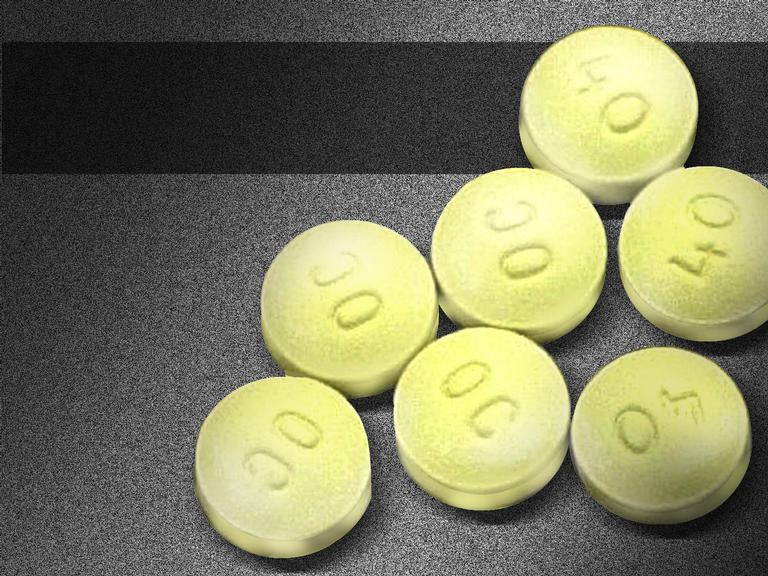
OxyContin, a form of oxycodone, is a slow-release opiate medication that is often prescribed to patients to treat moderate to severe pain. Due to its controlled release form, the pills are often targeted by those who abuse the drug by crushing them before swallowing, snorting or injecting them. Unfortunately, this practice can lead to a number of devastating outcomes, including addiction, overdose and death.
In addition to providing pain-relieving effects, those who take OxyContin for any purpose often experience a high. This high can be psychologically addictive; many patients begin to crave that feeling and look forward to their next dose, often taking more and more in hopes of intensifying their high.
Additionally, long-term use of OxyContin for any purpose – as prescribed for pain management or recreationally – can lead to the development of a tolerance for the drug. This can cause physical symptoms of detox when the person is without the medication on a regular basis, and in combination with psychological dependence defined by cravings, can signify an addiction that requires treatment.
Jump to Section:
Why Is Treatment Needed?
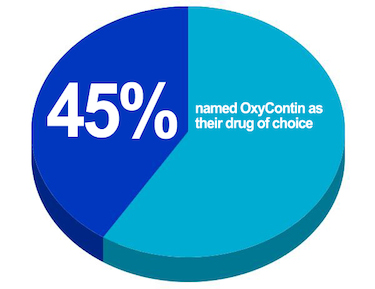
In a survey of over 3,500 prescription painkiller abusers
Source: Medline Plus
- OxyContin is one of the most commonly abused prescription opiate drugs on the market. About 45 percent of survey participants undergoing treatment for prescription drug abuse named OxyContin as their drug of choice, according to Medline Plus.
- OxyContin abuse is often a progressive disorder, beginning with occasionally swallowing the pills and progressing to injection use, according to a study published in the Journal of Addictive Diseases. Injecting any drugs adds additionally risks and complications.
- Drug overdose deaths have tripled since 1990. An estimated 14,800 Americans died due to prescription overdose in 2008 alone, according to the Centers for Disease Control (CDC).
- The CDC also reports that more than 475,000 ER visits were caused by prescription painkillers in 2009.

When OxyContin addiction goes untreated, death is a very likely outcome.
Detox Options

Detox is unavoidable for patients who are dependent upon an opiate drug like OxyContin. However, some patients may be eligible to take medications that can ease the intensity of associated withdrawal symptoms. Both buprenorphine and methadone are long-term detox solutions that have been proven to be effective in helping patients to limit their experience of certain symptoms and more rapidly turn their attention to the psychotherapeutic treatment that will help them learn how to live life without relapse.
Detox Is Not Enough
Though medical detox addresses the physical dependence upon OxyContin – the most visible aspect of drug dependence – it is not enough to effectively help someone to heal from addiction. Psychotherapy ideally should last for six months or more in order to address a range of issues that may have an impact on the person’s ability to remain clean and sober for the long-term, including:
- Co-occurring mental health issues
- Chronic medical disorders
- Learning disabilities
- Behavioral disorders
- Family problems
- Legal issues
- Loss of a loved one
- Trauma
- Job and career obstacles
The more in-depth the therapy and the longer the patient works to overcome these obstacles, the more likely it is that she or he will be able to remain drug-free long after leaving OxyContin rehab.
Comprehensive Care and Treatment
The best OxyContin treatment option for your addicted loved one will depend upon their needs in recovery. For some, a medicated detox will be helpful while others will not be advised by their medical team to pursue this option due to potential complications with other medications, too low or high of a dose of OxyContin at the time of quitting use of the drug, or another issue.
In the same way, some patients will benefit from a largely traditional rehabilitation program based on the 12-step model while others will thrive in a more comprehensive program that includes 12-step meetings but also prioritizes a range of holistic and alternative treatments. Choose the OxyContin rehab program that is right for your loved one after careful consideration of their unique challenges during addiction.

Related Content:
What Rehab Should Provide
Though the specific resources offered by treatment programs and their underlying philosophies will differ among programs, there are basics that no one should be without when it comes to rehabilitation. These include:
- Transparency. Family members should be able to connect with their addicted loved one, be supported in order to better support their addicted family member, and be offered the option of taking part in family therapy, support groups and more.
- Full evaluation. Each patient’s experience in rehab should begin with a diagnostic evaluation. In this way, all issues threatening recovery are revealed and can then be actively addressed in treatment.
- Medical detox. Assistance with detox should include medical professionals who specialize in substance abuse treatment.
- Medications. Whether or not a medicated detox is advisable for your loved one, he should still have access to medical professionals who are qualified to prescribe medications as needed. In some cases, non-addictive medications may be helpful in mitigating symptoms, antidepressants or other medications may be necessary for mental health treatment, and physical issues may require medication as well.
- Flexibility. As your loved one progresses through treatment, she should be able to periodically assess her treatment plan in order to ensure that it is still as effective as possible and update it as needed. Additionally, if she is unsteady in her ability to live independently without drugs and alcohol, an increase in the length of stay should be allowed.
- Financial assistance. Few patients can afford to pay for drug rehab out of pocket. Many will require assistance from their health care coverage, and most will utilize financing packages in order to pay the bill.
- Variety of treatment options. The more wide and varied the treatment and therapy options available to patients, the more effectively patients will be treated on a personal level, finding a unique combination of treatment options to suit their needs.
Take the First Step
You can learn more about what to expect from OxyContin rehab here at Axis right now. Pick up the phone and call today.
Have Questions?
Call 8667373570
Speak with our admissions counselor