

When you’re high on crystal meth, you might feel that you have enough energy and enthusiasm to conquer the world. On the other hand, you could feel anxious, paranoid, and ready to jump out of your skin. The effects of crystal methamphetamine, a synthetic stimulant that accelerates the activities of the central nervous system, can be highly unpredictable. Illicit forms of meth are manufactured in unregulated labs that aren’t subject to legal controls, which means that the user can never be sure of the strength or chemical content of this drug.
What you can be sure of is that crystal meth — a glassy, crystallized form of the drug that is supposedly stronger and more “pure” than other forms — can cause a lot of dangerous side effects, including:
- Abnormal heart rate rhythm
- High blood pressure
- Elevated body temperature
- Restlessness
- Insomnia
- Chemical dependence
- Unwanted weight loss
- Itchy skin and skin lesions
- Hyperactivity
- Violent behavior
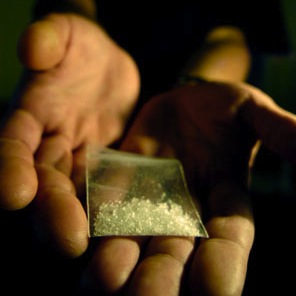
Meth is a water-soluble powder that can be snorted, smoked, or dissolved in solution and injected into the veins. Over time, crystal meth abuse can cause serious damage to the heart and brain. Because meth abuse increases heart rate and blood pressure, it puts the user in danger of a heart attack or stroke. Chronic meth use can also cause cognitive and psychological problems, including memory loss, poor judgment, confusion, mood swings, depression and psychosis.
Related Content
-

Meth Rehab
-

How Addictive
-

Slang Terms
The Addictive Power of Meth
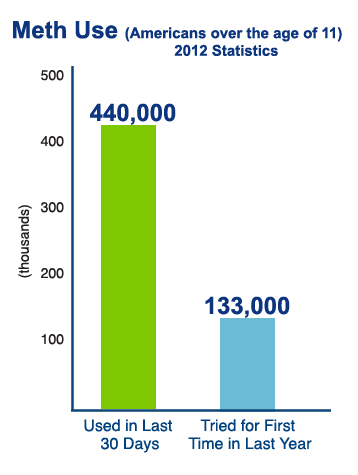 Meth is one of the most widely available, widely abused drugs. According to the 2012 National Survey on Drug Use and Health, approximately 440,000 Americans over the age of 11 had used meth within the past 30 days of the survey. Around 133,000 Americans had tried meth for the first time in the past year. The Drug Abuse Warning Network (DAWN) reports that in 2006, over 8 percent of emergency department visits in the US were associated with meth abuse.
In a medical setting, methamphetamine is used to treat certain sleep disorders, obesity, and attention deficit hyperactivity disorder (ADHD). However, because meth has such a high potential for abuse and addiction, its medical use is limited and highly controlled.
Crystal meth is classified as a Schedule II controlled substance by the U.S. Drug Enforcement Administration (DEA). Known on the streets as “crystal,” “glass,” “ice,” “crank” or “chalk,” meth produces its euphoric high by increasing levels of dopamine in the brain. Dopamine is a naturally produced chemical that plays a key role in the brain’s reward system. Healthy activities like eating and spending intimate time with a partner can trigger the release of dopamine, making you feel happy and content. But using meth can also raise dopamine levels, causing a rush of pleasure and energy that can become extremely addictive.
The more you use meth, the more your brain comes to rely on the drug to stimulate the release of dopamine. Many meth users develop a psychological condition called anhedonia, or the inability to feel pleasure in everyday life.
The Cycle of Meth Abuse
Crystal meth users often fall into a destructive cycle of binging, crashing and relapse. The phases of meth abuse include:
- Recreational binging
The user smokes, snorts or injects the drug, often for days at a time without stopping. In this stage, the user is feeling the positive effects of the drug: elation, talkativeness and high levels of energy. - Compulsive using
At this point, the brain no longer responds to meth, but the addict keeps using the drug in an attempt to stay high. Addicts in this stage may stay awake for days, experience hallucinations, and become extremely paranoid. The obsessive skin-picking and itching associated with meth abuse usually occur during this phase. - Exhaustion
After a period of tweaking, the brain and body are completely exhausted, and the user “crashes.” The addict may sleep for several days while his or her system attempts to restore itself. - Withdrawal
When a meth addict comes out of a crash, he or she is likely to feel extremely depressed and drained. Lacking energy and any interest in life, he or she is at high risk of turning back to meth. Cravings for the drug are at their peak in this stage. The symptoms of withdrawal and the cravings for the drug drive over 90 percent of addicts back to meth, even after rehab, according to the Partnership at Drugfree.org.
How to Detect Crystal Meth Abuse
Crystal meth abuse affects every aspect of your life, from your physical appearance to your emotions and behavior. People who are abusing crystal meth will often display wild fluctuations in mood and energy levels. They may display abnormal aggression or violence, even to the people they love. When they’re in a binging phase, or when they’re tweaking, they will stay up for days. During a crash, they may sleep for hours or days without waking.
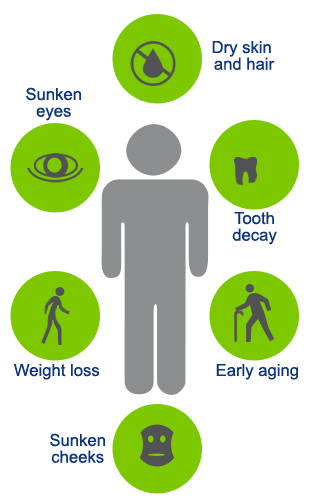
Meth is a powerful appetite suppressant, and chronic users can become dangerously malnourished and dehydrated. Many of the side effects of meth abuse reflect a lack of nutrients or fluids, including:
- Weight loss
- Sunken eyes
- Dry skin and hair
- Sunken cheeks
- Tooth decay
- Early aging
Because meth affects nerve function, users may also experience numbness, nervousness, and involuntary movements, like tremors or twitching. Meth addicts can become highly suspicious and paranoid, or they may seem confused, forgetful, and unable to focus their attention. After a period of elation and elevated energy, they may suddenly become depressed and extremely tired.
Getting Help for Meth Addiction
More Meth Articles
- 13 Signs of Addiction
- Personality Changes
- The History of Meth
- Who Is Making ‘Shake and Bake’
- Dangers of Overdose
- The Effects of Crystal Meth on Physical Appearance
- Is Withdrawal Painful?
- Harmful Ingredients
The sooner you seek help for crystal meth addiction — either for yourself or for a loved one — the greater the chances of avoiding the devastating consequences of abuse. Meth addiction can not only undermine the user’s physical and psychological health; it can lead to problems at work, divorce, loss of child custody, and arrest or incarceration. For most users, professional rehab is the only way to overcome the allure of crystal meth and create a rewarding, drug-free life.
Your choice of an addiction treatment program makes an enormous difference in your chances of recovering successfully from meth addiction. The personalized programs at Axis Treatment Centers incorporate the latest cutting-edge therapies and rehab services. From detox through rehab and aftercare, we’re here to support you through the healing process. For a confidential assessment and answers to your questions, call our toll-free number anytime.
Have Questions?
Call 8667373570
Speak with our admissions counselor