

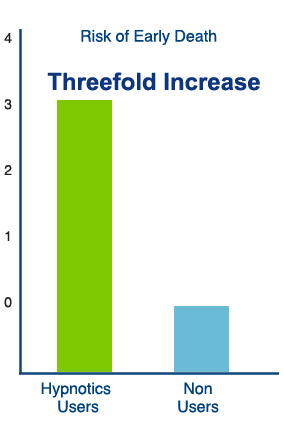
In the early months of 2012, researchers discovered that people who take hypnotics like Ambien (zolpidem) have a threefold increased risk of early death, when compared to people who don’t take medications like this. It’s a scary study, and while much more work must be done in order to explain why these drugs might be associated with an increased risk of a death that comes a little too early, it’s clear that people who are abusing these drugs are taking intense chances with their health, and they should stop abusing these drugs as quickly as possible. Ambien rehab can make it happen.
Jump to Section:
-

Safety Concerns
-

Ambien Use
-

Right Program
Ambien Rehab Safety Concerns
Ambien is a sedative-hypnotic medication, and it works inside the human body in a manner similar to benzodiazepines like Xanax. When a person takes Ambien, the medication slows electrical activity inside the brain and delivers a sensation of calm and relaxation. That feeling might be wonderful, but the drug can do long-term damage, and in time, people who attempt to get sober can feel terrifically ill as they attempt to leave Ambien behind.
Since some of these symptoms can be life-threatening, people with an Ambien addiction are advised to look for rehab centers that provide a medically supervised withdrawal process. Facilities that use a cold-turkey approach could allow people to become ill, and they might even produce sensations that could be physically dangerous. A medically supervised detox, however, provides users with a tapering dose of medications, so they can transition to sobriety safely.
According to the U.S. National Library of Medicine, these are just a few symptoms that have been associated with Ambien withdrawal:
- Lightheadedness
- Nausea
- Vomiting
- Stomach Cramps
- Nervousness
- Panic
- Insomnia
- Shaking
- Seizures
Related Content
-

Health Risks
-

Signs & Symptoms
-

Ambien Rehab
Learning About Ambien Use
 When people have achieved at least some level of sobriety, they’re ready to enroll in rehab programs that can allow them to learn more about why they abused the drug and what they’ll need to do in the future to stay sober. Some of these lessons can be a little surprising.
For example, in a study in the journal Addictive Behaviors, researchers found that young people who abused Ambien often struggled with depression, peer bonding and delinquency. These young people were using Ambien to help them smooth over very real social problems, and until those are addressed, the risk of Ambien abuse might always be present.
Therapies might involve just one mental health expert, such as a counselor or a social worker, but group work might also be beneficial. In group settings, people with addictions have an opportunity to learn from their peers, and they have a chance to brush up on their social skills in practice sessions. If Ambien abuse stems from person-to-person difficulties, this could be remarkably helpful.
Sleep-hygiene therapy might also be helpful for people with Ambien addictions, particularly if the person abused the drug in a mistaken attempt to fall asleep quickly. In sessions like this, people might learn more about how to make the bedroom a restful place, and they might learn how to employ meditation or targeted breathing exercises in order to fall asleep without drugs.
Choosing the Right Ambien Program
 There are a number of different facilities that could help people with Ambien addictions, including:
- Community clinics
- Hospital inpatient centers
- Private luxury inpatient rehab centers
- Public inpatient addiction centers
In general, facilities that provide around-the-clock care tend to be more expensive than outpatient facilities. When a client needs a place to sleep and meals provided regularly, the costs just tend to go up. But these programs also provide a level of supervision and support that might be difficult to obtain in an outpatient program, and that might make the added expense more than worthwhile.
It’s important to ask questions before enrolling, however, and ensure that the facility in question has the capability to help people who have addictions to sedative-hypnotic medications like Ambien. People might need therapies that other addicted people just don’t need, and not all facilities offer this kind of care. It’s best to ensure that the facility has at least some experience in dealing with these unique addictions, so the person can get the right kind of help at the right time.
Ambien Recovery at Axis
At Axis, we have extensive experience in helping people who are dealing with Ambien addictions. Our help begins with a sophisticated and extensive diagnostic evaluation, so we can understand the depth of the addiction and the factors that might play a role in the difficulties of our clients. Then, we create a tailor-made recovery program that involves therapy, support group work and more, and it’s all provided in our luxurious, inpatient environment. If this sounds like this kind of help you’ve been looking for, we’d love to hear from you. Please call to find out more.
Have Questions?
Call 8667373570
Speak with our admissions counselor